Lemon Fruit Embroidery: A Designer’s Review for Gifts
As an embroidery designer who has spent years refining digitized art for commercial use, I approach every new machine embroidery design with a critical eye. It is not enough for a pattern to look pretty on a screen; it must perform flawlessly under the needle and resonate emotionally with the end buyer. Recently, I tested the Lemon Fruit design, intending to evaluate its potential for my personalized gift shop. This review breaks down how this lively motif performs in real-world applications, from baby items to kitchen decor.
First Impressions: Mood and Charm
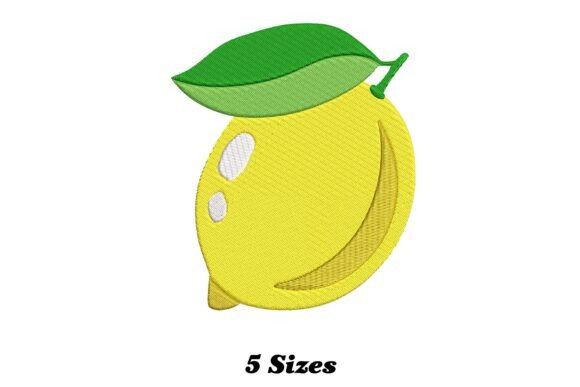
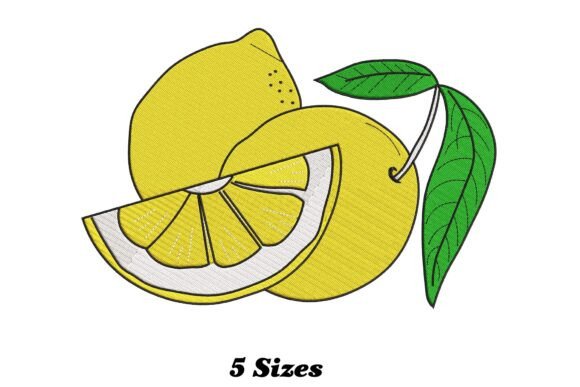
The moment I loaded the embroidery file into my software, the mood was unmistakable. Lemon Fruit exudes a sense of warmth, freshness, and playful elegance. It does not feel overly rigid or corporate; instead, it carries a handmade charm that appeals to customers seeking authenticity. The design balances simplicity with enough detail to look professional, making it suitable for both modern minimalist aesthetics and classic cottage-core styles.
For those of us in the Food category of digital products, finding a design that avoids looking cartoonish is crucial. This motif succeeds by offering a creative touch that brings personality to any item without overwhelming the base fabric. It feels sweet yet sophisticated, making it a versatile asset for any small business owner looking to expand their catalog.
Real-World Applications for Personalized Gifts
To truly test the viability of Lemon Fruit, I imagined several customer scenarios. A common request in my shop is for meaningful embroidered gifts that serve as keepsakes. Here is how this design fits into various product lines:
- Baby Embroidery: Imagine a soft yellow lemon stitched onto a white muslin swaddle or a nursery pillow cover. The cheerful imagery works beautifully for spring babies or gender-neutral reveals. However, when working with stretchy baby clothes, one must be cautious about stitch pull.
- Kitchen and Home Decor: This is perhaps the strongest category for this design. An embroidered towel featuring Lemon Fruit makes an excellent housewarming present. It also translates well to aprons, adding a whimsical touch for home cooks who love to entertain.
- Wedding and Event Gifts: While lemons are not traditional wedding symbols, they have become trendy for bridal showers and summer weddings. A tote bag with this design could serve as a chic favor for guests, especially if paired with custom lettering.
- Etsy Listings and Craft Fairs: For the Etsy seller, visual appeal is everything. This design photographs exceptionally well against natural linen or bright cotton, helping to create engaging printable mockups that drive buyer engagement.
Navigating Fabric and Technical Challenges
While the aesthetic appeal is high, practical execution requires attention to detail. Not every fabric behaves the same way, and Lemon Fruit must be adapted to the medium. Here are the areas where I advise caution during production:
Fabric Texture and Stability
Textured fabrics, such as thick waffle-weave towels or heavy canvas, can obscure fine details. If the design includes delicate outlines, they may get lost in the pile of a plush towel. I recommend testing on scrap fabric first to ensure the stitch density is appropriate for the material. For smoother fabrics like polished cotton or poplin, the design will appear crisp and clean.
Stretchy Materials and Dark Fabrics
When applying this design to stretchy baby clothes or knit tote bags, the choice of stabilizer is non-negotiable. Without proper support, the stitches may pucker or distort after washing. Additionally, while the lemon motif is vibrant, it may lack contrast on dark fabrics unless you adjust the thread colors significantly. Always compare light and dark fabric mockups before finalizing your product listing.
Small Details and Washing Durability
Products that require frequent washing, such as kitchen towels and baby blankets, need durable stitching. Check small details after stitching to ensure they hold up to agitation. If the design features tiny elements, consider simplifying them or increasing their size slightly to prevent thread breakage over time.
Enhancing Perceived Value and Customer Trust
From a business perspective, the quality of your custom embroidery directly impacts customer trust. A well-executed Lemon Fruit design signals high-quality craftsmanship. When buyers see consistent stitch work and thoughtful placement, they perceive higher value in the handmade product. This emotional connection encourages repeat purchases and positive reviews.
Furthermore, using a recognizable and cheerful motif like a lemon can boost product photography results. Bright, inviting images stop the scroll on social media platforms, driving more traffic to your shop. Whether you are selling a finished product or a digital embroidery file, the visual appeal of this design supports higher price points and better conversion rates.
Practical Notes for Production
Before adding Lemon Fruit to your inventory, follow these essential steps to ensure professional results:
- Test on Scrap Fabric: Never skip this step. Stitch out the design on the exact fabric type you plan to sell to check for puckering or thread breaks.
- Check Thread Color Contrast: Ensure your yellow threads stand out against the background. Consider using variegated threads for added depth, but test them first to avoid muddiness.
- Confirm Hoop Size: Verify that the design fits within your machine’s hoop size limitations. If scaling is required, ensure it does not distort the proportions.
- Review Stitch Density: High density can make fabric stiff, which is undesirable for baby items or wearable apparel. Adjust settings if necessary to maintain softness.
- Use Proper Stabilizer: Match the stabilizer weight to the fabric. Cut-away stabilizers are often best for stretchy knits, while tear-away works for stable woven cottons.
- Verify Licensing: If you are using this for commercial embroidery sales, confirm the license terms provided with the digital embroidery file. Ensure you have the right to sell finished products made with this design.
In conclusion, Lemon Fruit is a captivating addition to any embroidery designer’s library. It offers versatility across multiple categories, from blanket embroidery to kitchen linens. By paying attention to fabric texture, stabilizer choice, and stitch quality, you can transform this simple motif into a high-demand personalized gift that delights customers and strengthens your brand reputation.