Cute Mushrooms: A Designer’s Review for Personalized Gifts
As an embroidery designer who has spent years testing digital files for real-world application, I approach every new machine embroidery design with a critical eye. It is not just about how the image looks on a screen; it is about how it translates to fabric, how it withstands washing, and whether it resonates emotionally with the end buyer. Recently, I had the opportunity to review Cute Mushrooms, a charming addition to the Forest category of embroidery patterns. This review is written from the perspective of preparing this design for a personalized gift shop, ensuring it meets the high standards required for customer orders.
First Impressions: Mood and Emotional Appeal
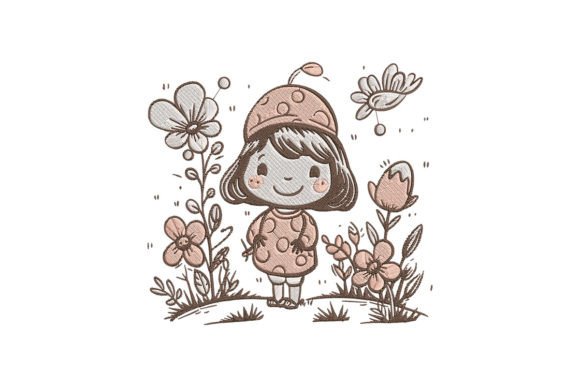
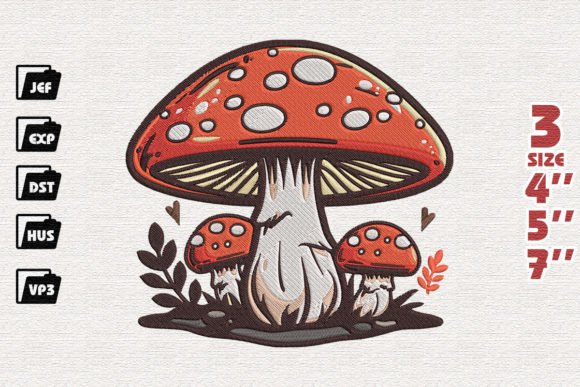
The moment I loaded the Cute Mushrooms preview, I was struck by its whimsical yet grounded aesthetic. In the world of Embroidery, trends often swing between ultra-modern minimalism and nostalgic cottagecore. This design sits comfortably in the latter, offering a touch of nature’s beauty that feels both playful and sweet. The color palette suggests warmth and earthiness, making it an ideal candidate for customers seeking a connection to the outdoors without sacrificing cuteness.
For a personalized gift, emotional resonance is key. This design does not feel mass-produced or sterile. Instead, it carries the handmade quality that buyers crave when searching for unique items. Whether intended for a nursery or a kitchen, the motif exudes a sense of comfort. It is elegant enough for a sophisticated home but approachable enough for a child’s room. This duality makes it a versatile asset for any small shop product lineup.
Versatility Across Product Lines
One of the strongest attributes of Cute Mushrooms is its adaptability. When planning inventory for an Etsy seller or a local craft fair, versatility reduces risk. Here is how I envision this design performing across various textiles:
- Baby Embroidery: The soft, rounded shapes are perfect for baby blankets and onesies. Parents are increasingly drawn to nature-inspired themes that avoid harsh graphics. This design offers a gentle visual stimulus that fits well within modern nursery decor.
- Kitchen Textiles: An embroidered towel or apron featuring these mushrooms adds a burst of color to a neutral kitchen. It transforms a utilitarian item into a decorative piece, increasing the perceived value of the finished product.
- Wedding Gift and Keepsakes: For couples who love hiking or forest weddings, this design can be customized with names or dates. It works beautifully on pillow covers or tote bags given as welcome gifts.
- Home Decor: From cushion covers to wall hangings, the design holds its own against larger fabric backgrounds. It serves as a focal point that invites closer inspection.
When creating custom embroidery orders, having a design that works on multiple substrates allows you to offer bundles. Imagine a set including a tote bag, a kitchen towel, and a pillow cover, all featuring the same cohesive Cute Mushrooms motif. This strategy increases average order value and enhances customer trust in your brand’s aesthetic consistency.
Technical Considerations for Production
While the visual appeal is strong, a professional must address the technical realities of stitching. Before running this digital embroidery file on a customer’s expensive linen or delicate baby cotton, rigorous testing is non-negotiable. Here are the practical steps I took during my review:
Fabric and Stabilizer Selection
The success of any embroidery project hinges on the relationship between the thread, the fabric, and the stabilizer. For Cute Mushrooms, I recommend starting with a medium-weight cut-away stabilizer for knit fabrics like baby clothes, as it provides lasting support against stretching. For woven fabrics like towels or canvas totes, a tear-away stabilizer may suffice, but always test first. Fabric texture plays a significant role; highly textured towels might obscure finer details, so adjusting the stitch density or using a water-soluble topping can help maintain clarity.
Thread Colors and Contrast
This design relies on a burst of color to bring the mushrooms to life. When selecting thread colors, consider the base fabric carefully. On dark fabric, you may need to adjust the underlay or use lighter thread shades to ensure the design pops. Conversely, on light pastels, ensure there is enough contrast so the details do not wash out. Creating a printable mockup with different thread color combinations can help visualize the final outcome before committing to the hoop.
Hoop Size and Stitch Density
Although specific technical data such as exact stitch count or hoop size should be verified in the product description provided by the designer, general best practices apply. Ensure that the chosen hoop size accommodates the design with adequate margin for stability. High stitch density can cause puckering on lightweight fabrics, so if the design feels stiff after stitching, consider using a lighter weight thread or adjusting the tension. Always check small details after stitching to ensure no threads have pulled or broken.
Navigating Challenges and Limitations
No design is perfect for every scenario. There are specific contexts where Cute Mushrooms should be used with caution. For instance, if the design includes small lettering or intricate details, these may not hold up well on thick, plush towels where the pile can swallow fine stitches. Similarly, stretchy baby clothes require careful hooping and stabilization to prevent distortion over time.
Curved surfaces, such as the toe of a sock or the corner of a fitted sheet, present another challenge. The design needs a flat surface to stitch correctly. If applying it to a curved item, use a smaller hoop and ensure the fabric is taut but not overstretched. Additionally, for products that need frequent washing, such as kitchen linens, verify that the thread colors are colorfast and that the stabilizer is trimmed close to the stitch line to prevent irritation or bulk.
Enhancing Giftability and Customer Engagement
From a business perspective, Cute Mushrooms is more than just a pattern; it is a tool for building customer relationships. Handmade products thrive on storytelling. When listing this item as an Etsy seller, highlight the nature-inspired theme and the care taken in production. Use high-quality photography that shows the texture of the stitches and the vibrancy of the thread colors.
Buyer engagement increases when customers can envision the product in their lives. Show the design on a cozy blanket, a stylish apron, and a chic tote bag. This visual variety helps customers imagine the personalized gift in their own homes. Furthermore, confirming commercial licensing before selling finished products is crucial. Ensure that the license terms allow for the sale of physical goods created with the embroidery file, protecting your small business from legal issues.
In conclusion, Cute Mushrooms is a delightful addition to any embroidery designer’s library. It balances charm with practicality, offering a wide range of applications from baby embroidery to wedding gifts. By paying attention to fabric texture, stabilizer choice, and thread contrast, you can produce high-quality, durable items that delight customers. Whether you are a seasoned professional or a budding crafter, this design offers a wonderful opportunity to create meaningful, nature-inspired keepsakes that stand out in a crowded market.