Reviewing Cloud Boy for Boutique Sweatshirt Collections
As an embroidery designer who has spent years refining digitizing techniques for small clothing brands, I approach every new machine embroidery design with a critical eye. It is not just about whether the image looks cute on a screen; it is about how that design translates into thread on fabric. Recently, I evaluated Cloud Boy for a potential inclusion in a premium sweatshirt drop for a local boutique brand. The goal was simple: determine if this design could carry the weight of a commercial apparel release while maintaining the charm required for its target audience.
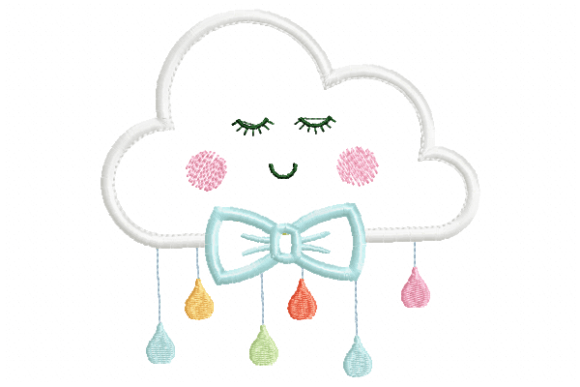
The initial impression of Cloud Boy is one of softness and whimsy. True to its name, the design evokes a dreamy, airy aesthetic that feels perfectly suited for children’s wear, specifically within the Boys category, though its appeal is certainly gender-neutral enough for broader applications. When reviewing the layout, I noticed a balanced composition that avoids excessive complexity. This is crucial for sweatshirt embroidery, where thick fabrics can sometimes distort intricate details. The design appears to have a clean outline with sufficient internal spacing, suggesting that it will stitch out cleanly without becoming a dense, stiff patch on the garment.
Visual Impact on Neutral and Dark Fabrics
One of the first tests I perform mentally is visualizing the design on various fabric textures and colors. For a boutique collection, we often lean towards neutral tones—oatmeal, heather grey, and soft sage. On these lighter backgrounds, Cloud Boy would require careful selection of thread colors to ensure visibility. A white or light blue thread might get lost on an oatmeal sweatshirt, so I would recommend using a contrasting pastel or a muted navy to define the clouds. This contrast adds depth and makes the finished product look intentional and high-end.
Conversely, placing Cloud Boy on dark fabric, such as charcoal or midnight blue, offers a different opportunity. Here, the design can pop dramatically if stitched in bright white or silver threads. The simplicity of the cloud motif allows it to stand out without needing excessive fill stitches, which helps maintain the drape and comfort of the hoodie. This versatility makes it a strong candidate for a cohesive collection where the same design is offered across multiple colorways.
Placement Strategies for Hoodies and Sweatshirts
Placement is everything in custom apparel. For a standard crewneck sweatshirt, the left chest area is the classic choice for a design like Cloud Boy. It feels personal and understated, appealing to parents who want something cute but not overwhelming. However, for oversized hoodies, I see potential for a larger scale placement on the back. A larger version of the design could serve as a focal point, turning a basic hoodie into a statement piece.
Sleeve accents are another trending option for small shops. A miniature version of Cloud Boy on the cuff or upper sleeve adds a subtle detail that customers love. It shows attention to detail and elevates the perceived value of the handmade product. When planning these placements, it is vital to consider the hoop size limitations of your machine. Always check the specific dimensions included in the digital embroidery file package to ensure the design fits your intended hoop without requiring complex re-digitizing.
Technical Considerations for Commercial Use
From a technical standpoint, several factors determine whether a design is ready for commercial production. First is stitch density. Sweatshirts are thick, often made from heavy cotton blends or fleece. If the stitch density is too high, the fabric may pucker, or the embroidery may feel stiff and uncomfortable against the skin. Cloud Boy appears to favor a lighter touch, which is ideal for maintaining the cozy feel of seasonal apparel. However, I always advise running a test stitch on the exact fabric you plan to use.
Stabilizer choice is equally critical. For fluffy fabrics like fleece, a cut-away stabilizer is usually recommended to provide long-term support and prevent distortion after washing. Since Cloud Boy is marketed as a durable design for clothes, ensuring proper stabilization will help it withstand the rigors of daily wear and frequent laundering. This durability is key for building buyer trust, especially for an Etsy seller or small shop owner whose reputation relies on quality.
Another practical concern is readability at smaller sizes. If you plan to offer this design on baby garments or as a small accent, verify that the details remain clear. Blurred lines or merged stitches can make a design look amateurish. The description notes that this embroidery file comes in multiple formats, which is excellent for compatibility with various machines. However, always preview the design in your software before stitching to check for any potential jump stitches or trimming issues.
Enhancing Brand Identity and Product Value
Beyond the technical aspects, Cloud Boy serves as a powerful tool for branding. For a boutique brand focused on gentle, playful aesthetics, this design reinforces that identity. It is not just a graphic; it is a part of the story you tell your customers. When used in lifestyle product photography, the soft curves of the clouds complement the cozy vibe of handmade clothing. This visual consistency helps with customer engagement and social media presence.
For digital sellers and creative entrepreneurs, offering items featuring Cloud Boy can diversify your inventory. It works well not just on sweatshirts but also on tote bags, baby blankets, and hats. This flexibility allows you to maximize the value of a single design asset. Moreover, having a recognizable motif helps build visual recognition. Customers begin to associate that specific cloud style with your brand, fostering loyalty and repeat business.
Final Verdict for Small Shop Owners
In conclusion, Cloud Boy is a promising addition to any embroidery designer’s library, particularly for those focusing on children’s wear and cozy apparel. Its adaptable nature allows it to shine on both light and dark fabrics, and its simple yet charming layout suits various placements from chest logos to back prints. While the design feels premium and thoughtful, success ultimately depends on execution. Pay close attention to thread contrast, stabilizer selection, and hoop placement.
Before launching your next small shop product line, remember to verify the specific technical details provided with the file. Check the recommended hoop sizes and ensure the formats match your machine’s requirements. With careful preparation, Cloud Boy can help you create beautiful, durable, and commercially viable pieces that resonate with customers looking for quality handmade goods. It is a design that balances playfulness with professionalism, making it a solid choice for modern boutique brands.