Review: Kitchen Sketch Vegatables Line Art for Merch
As an embroidery designer who has spent years digitizing files for small businesses, I know that the right design can elevate a brand from amateur to professional in a single stitch. Recently, I reviewed Kitchen Sketch with Vegatables Line Art, a machine embroidery design that promises to be both fun and easy to stitch. For shop owners, apparel decorators, and handmade brands looking to expand their product lines, this file offers a unique aesthetic that balances rustic charm with modern simplicity.
First Impressions: A Breath of Fresh Air in Design
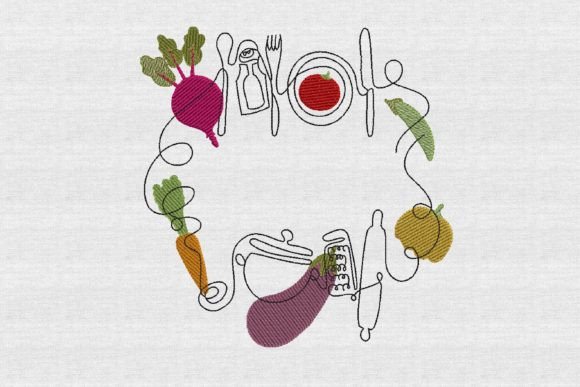
The first thing that strikes me about Kitchen Sketch with Vegatables Line Art is its approachable personality. In a market saturated with heavy, dense logos, this design feels light, airy, and distinctly handmade. The description notes that it is designed with light fill and little to no underlay, meaning the fabric remains visible through the stitches. This transparency is not a flaw; it is a stylistic choice that lends itself beautifully to the current trend of minimalist and organic branding.
For boutique owners and creative studios, this visual style communicates authenticity. It does not scream for attention with bold, solid blocks of color. Instead, it invites the viewer to look closer, appreciating the texture of the thread against the texture of the fabric. This makes it an excellent candidate for brands that want to appear eco-friendly, artisanal, or community-focused.
Real-World Applications for Small Business Merch
When evaluating a digital embroidery file for commercial use, I always ask: where does this live best? Based on the line art style and light fill, here is how I would deploy this design in a real business scenario.
- Apron Embroidery: This is perhaps the most natural fit. For bakeries, florists, or local cafés, an apron featuring this vegetable sketch adds immediate character. The light fill ensures the apron fabric breathes, maintaining comfort for staff during long shifts.
- Tote Bag Design: Canvas tote bags are a staple for retail shops. Because the design allows the fabric to show through, it integrates seamlessly with the natural weave of cotton canvas, creating a cohesive, high-end look without overwhelming the bag’s structure.
- Custom Apparel Accents: Rather than a large back print, consider this for a chest pocket accent on work shirts or a sleeve detail on chef coats. The scale of line art works well in smaller placements, offering a subtle nod to the brand’s identity without dominating the garment.
- Embroidered Patches: If you are creating branded patches for customer gifts or event merch, this design can be stitched onto twill or felt. However, because it is not 100% filled, you must choose a patch background color that complements the thread colors to ensure visibility.
Technical Considerations for Production
While Kitchen Sketch with Vegatables Line Art is described as easy to stitch, experienced embroiderers know that "easy" often requires precise setup. The lack of heavy underlay means the stability of your final product relies heavily on your choice of stabilizer and fabric texture.
For smooth fabrics like poplin or polished cotton, a standard cut-away or tear-away stabilizer should suffice. However, if you are stitching on textured fabric like terry cloth towels or rough linen, you may need a stronger stabilizer to prevent the stitches from sinking into the pile. Since the design relies on the visibility of the fabric through the stitches, any puckering will be immediately apparent. Always hoop your material tightly and test on a scrap piece before running your full production batch.
Another critical factor is thread color contrast. Because this is a line art design, the difference between your thread and your base material defines the image. On dark uniforms, such as navy or black chef jackets, you will need high-contrast thread colors like white, cream, or bright yellow to ensure the vegetables are recognizable. On light fabrics, you have more flexibility, but ensure the tones are distinct enough to maintain the sketch-like quality.
Brand Identity and Customer Trust
Your merchandise is an extension of your brand identity. Using a design like Kitchen Sketch with Vegatables Line Art signals to your customers that you value craftsmanship and detail. It moves away from the mass-produced feel of screen printing and embraces the tactile quality of embroidery. This perceived value can justify higher price points for your handmade products or custom apparel.
Consistency is key. If your logo is bold and modern, this sketch might serve better as a secondary design element rather than your primary logo. Use it to complement your main brand assets on packaging accents, thank-you cards attached to orders, or limited-edition items. This creates a layered brand experience that feels thoughtful and curated.
Where to Use Caution
Not every application is suitable for this specific style. Due to the light fill and lack of dense underlay, avoid using this design on items that undergo rigorous, industrial washing unless you have tested its durability extensively. The open nature of the stitching may be more prone to snagging if not properly secured with a top stabilizer during stitching.
Additionally, be cautious with very small sizes. While line art can scale down, intricate details may get lost if the hoop size is too small. Always check the recommended minimum dimensions provided with the digital embroidery file. If you are creating a tiny label or a small tag, ensure the lines remain distinct and do not merge into a blurry mess.
Practical Designer Notes for Implementation
Before you commit to a large run of commercial embroidery projects, follow these steps to ensure success:
- Test in Black and White: Stitch the design in a single color first to evaluate the clarity of the lines and spacing.
- Check Hoop Size Compatibility: Confirm that the design fits within your available hoop size without requiring re-hooping, which can cause alignment issues.
- Create a Printable Mockup: Use design software to place the embroidery file on a photo of your intended product. This helps visualize the scale and placement for client approval.
- Verify Licensing: Ensure you have the correct commercial license for the digital embroidery file. Most designers allow use for finished physical products, but restrictions may apply to reselling the file itself.
- Compare Design Assets: Place this sketch beside your existing logos and patterns to ensure visual consistency across your product line.
In conclusion, Kitchen Sketch with Vegatables Line Art is a versatile asset for any small business owner in the food, lifestyle, or craft sectors. Its light, breathable stitch structure offers a modern alternative to traditional heavy embroidery, perfect for creating memorable, high-quality merchandise that resonates with today’s conscious consumers. By paying attention to fabric choice, stabilizer, and thread contrast, you can transform this simple line art into a powerful tool for brand recognition and customer engagement.