Enchanting Giraffe: A Designer’s Real-World Review
As an embroidery designer who has spent countless hours digitizing, testing, and stitching out thousands of files, I approach every new machine embroidery design with a critical eye. It is not enough for a pattern to look cute on a screen; it must survive the needle, the thread tension, and the wash cycle. Recently, I evaluated Enchanting Giraffe, a Wild Animals-themed piece that promises to enhance fabrics with character. After running it through several test hoops on different materials, I have formed a clear opinion on where this design shines and where it requires careful handling.
First Impressions and Visual Personality
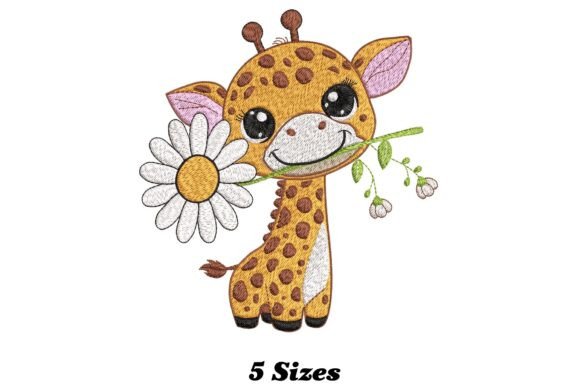
The first thing that strikes you about Enchanting Giraffe is its cheerful and artistic touch. Unlike hyper-realistic animal portraits that can sometimes feel stiff or overly dense, this design leans into a trendy, stylized aesthetic. The layout feels balanced, with a visual personality that suggests playfulness rather than strict anatomical precision. For a designer, this is a relief. Stylized designs often translate better to embroidery because they allow for cleaner stitch paths and fewer tiny, problematic details that can break under stress.
The mood it creates is warm and inviting. It does not scream for attention but rather adds a subtle dash of whimsy. This makes it versatile. It fits naturally into the broader category of Embroidery projects aimed at children, nurseries, or anyone looking to add a soft, organic element to their home decor or wardrobe. The shape is distinct enough to be recognizable from a distance, which is crucial for items like tote bags or caps where the viewer might not be standing right next to the stitch work.
Real-World Application: The Custom Tote Test
To truly understand the value of an embroidery file, you have to put it to work. I decided to use Enchanting Giraffe for a custom order: a set of canvas tote bags for a local boutique specializing in eco-friendly goods. The client wanted something that felt handmade but professional. I chose a natural, unbleached cotton canvas for the fabric texture, believing the earthy tone would complement the giraffe theme.
The stitching process revealed the design’s strengths. The fill stitches used in the body of the giraffe provided good coverage without appearing too bulky. On the canvas, the design held its shape well. However, I noticed that the finer details, such as the facial features, relied heavily on precise tension. If your machine is not calibrated correctly, these smaller areas can become muddy. For a small shop product, this means you must prioritize quality control. A messy face can turn a charming handmade product into a reject.
This scenario highlights why Enchanting Giraffe is ideal for t-shirts, towels, or home decor, as mentioned in its description. It adds that artistic touch without overwhelming the base material. For an Etsy seller, this translates to a product that photographs well and appeals to buyers looking for unique, personalized gifts.
Fabric Compatibility and Stitch Behavior
Not all fabrics behave the same way, and neither do all designs. When working with Enchanting Giraffe, I found that it performs best on stable, medium-weight fabrics. On a sweatshirt, the design popped nicely against the fleece, provided I used a cut-away stabilizer to prevent distortion. The stretch of the fabric required careful hooping, but the result was a durable sweatshirt embroidery piece that maintained its integrity after washing.
However, caution is needed with thinner or textured fabrics. On a delicate silk scarf, the stitch density might be too high, causing puckering. Similarly, on highly textured towels, some of the finer running stitch outlines could get lost in the pile. If you are creating baby embroidery items, such as onesies or burp cloths, ensure you use a soft, tear-away stabilizer and consider reducing the density if your software allows it. Comfort is key for baby items, and bulky backs can irritate sensitive skin.
For curved surfaces like caps, the design’s layout needs to be centered carefully. The giraffe’s neck extends vertically, which can be tricky on a structured cap front. I recommend testing the placement on a dummy cap before committing to the final product. A misaligned embroidered patch or direct stitch can ruin the professional look of a hat.
Commercial Viability and Brand Consistency
For craft business owners and digital product sellers, the commercial viability of a design is paramount. Enchanting Giraffe offers strong potential for holiday embroidery, particularly for spring or summer collections. Its cheerful nature makes it a great fit for Easter baskets, birthday gifts, or back-to-school apparel. When used in a cohesive collection, it helps build brand consistency. Imagine a line of kitchen towels, aprons, and pot holders all featuring this same giraffe motif in varying thread colors. This creates a recognizable signature style for your small shop product line.
Buyer engagement often hinges on the perceived quality of the finished product. A clean, well-stitched design builds customer trust. If you are selling this as a digital embroidery file, provide clear previews on both light and dark backgrounds. Use printable mockups to show potential buyers how the design looks on different items. Transparency about the design’s complexity helps manage expectations and reduces refund requests.
Practical Designer Notes for Best Results
Before you run Enchanting Giraffe on a client’s expensive garment, follow these practical steps:
- Test on Scrap Fabric: Always stitch out a test sample on the same type of fabric you plan to use for the final project. This reveals any tension issues or density problems.
- Check Thread Color Contrast: The design relies on visual clarity. Ensure your thread colors contrast sufficiently with the fabric. A dark giraffe on a navy shirt will vanish.
- Review Stitch Density: If the design feels too stiff, consider editing the density in your digitizing software. Lower density can improve drape on apparel.
- Confirm Hoop Size: Check the dimensions of the design against your available hoop size. Ensure there is enough margin for secure hooping.
- Inspect Small Details: Zoom in on the preview. Are there tiny satin stitch areas that might snag? Consider converting them to running stitches if necessary.
- Use Proper Stabilizer: Match the stabilizer to the fabric. Cut-away for knits, tear-away for wovens, and wash-away for delicate or sheer fabrics.
- Verify Licensing: Before selling finished items or digital products, confirm the license terms. Ensure you have the right to use the design for commercial embroidery projects.
In conclusion, Enchanting Giraffe is a solid addition to any designer’s library. It balances artistic flair with practical stitchability. While it requires attention to detail regarding fabric choice and stabilization, its versatility across t-shirts, towels, and home decor makes it a valuable asset for both hobbyists and professional embroiderers. By understanding its behavior in real-world scenarios, you can leverage this design to create high-quality, engaging products that resonate with customers.