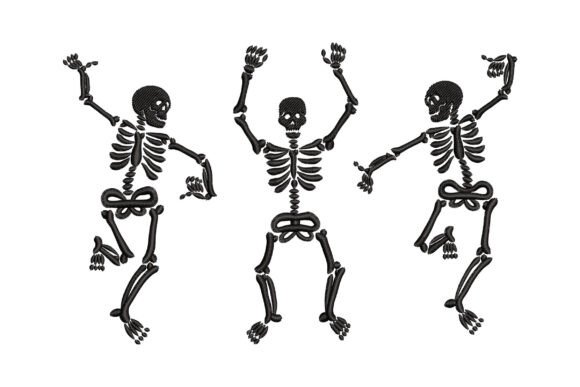
Dancing Skeletons: A Designer’s Review for Craft Fairs
As an embroidery designer who has spent countless hours digitizing and testing files, I know that not every design translates well from the screen to a physical product. When I first loaded the Dancing Skeletons file into my software, I was looking for more than just cute imagery. I was evaluating its potential as a high-converting craft fair product. For those of us running small shops or selling at weekend markets, the difference between a design that sits on the shelf and one that flies off the table often comes down to visual impact and production practicality.
This particular machine embroidery design promises to give fabrics a stylish update with a delightful flair. But does it deliver on that promise when stitched out on real materials? Let’s break down how this design performs in a real-world scenario, specifically for handmade market products.
First Impressions and Visual Appeal
The immediate vibe of Dancing Skeletons is playful and vibrant. It avoids the grim or scary tropes often associated with Halloween, leaning instead into a whimsical, imaginative aesthetic. This is crucial for broadening your customer base. While it fits squarely into the Halloween category, its charm allows it to appeal to buyers who love quirky, year-round decor or fans of Day of the Dead motifs. The description mentions adding a "vibrant and imaginative flair," and in my review, I found that the dynamic poses of the skeletons create movement that catches the eye from a distance—a key factor for booth display strength.
For an Etsy seller or boutique maker, this visual appeal translates directly to buyer engagement. A static image can be boring, but dancing figures suggest energy and fun. This makes the design an excellent candidate for items meant to spark joy, such as giftable handmade items or personalized home decor.
Product Versatility and Market Fit
One of the strongest assets of this embroidery file is its versatility. In preparing a table display, I tested the design across several common small shop product categories. Here is where it shines:
- Tote Bag Design: The design works beautifully as a central focal point on canvas totes. The contrast of white or bright thread against natural cotton creates a crisp, modern look that appeals to eco-conscious shoppers.
- Apron Embroidery: Placing the dancing figures on the bib of a kitchen apron adds personality to a functional item. It transforms a standard utility piece into a conversation starter.
- Tea Towel Embroidery: For kitchen textiles, the design adds a festive touch without being overwhelming. However, care must be taken with fabric texture, as discussed below.
- Embroidered Patch: This is perhaps the most profitable application. Patches are low-commitment purchases for customers. The clear outlines of the skeletons make them ideal for iron-on or sew-on patches, allowing buyers to customize their own jackets or bags later.
- Pillow Covers and Home Decor: As a decorative element, it brings a soft, humorous touch to living spaces, moving away from traditional spooky decor.
When considering commercial embroidery for batch production, the repeatability of this design is a major plus. It is distinct enough to be recognizable but simple enough to stitch out quickly, which is essential for meeting demand during the busy holiday season.
Production Practicalities and Technical Notes
While the aesthetic is strong, any experienced embroiderer knows that technical execution is where profits are made or lost. Here are my practical notes for producing Dancing Skeletons as a finished product.
Fabric and Stabilizer Selection
The description suggests embellishing t-shirts and towels. T-shirts require a cut-away stabilizer to prevent puckering, especially if the stitch density is moderate to high. For towels, the looped fabric texture can sometimes swallow small details. I recommend using a water-soluble topping to keep the stitches sitting on top of the fibers rather than sinking in. This ensures the "vibrant" look promised in the product description remains clear and crisp.
Thread Colors and Contrast
To maximize visual impact, thread choice is critical. On dark fabrics, use high-contrast rayon or polyester threads. On light fabrics, consider metallic threads for the bones to add a premium feel, or stick to classic white for a clean, minimalist look. Always check your thread colors against your specific fabric batch to ensure consistency across your inventory.
Hoop Size and Placement
Before committing to a large run, you must confirm the hoop size required for this specific file. Since the exact dimensions are not provided in the brief description, check the digital file metadata. If the design is large, it may not fit on curved surfaces like caps without distortion. For caps, consider resizing the design or using a smaller version if available. Always test the design on scrap fabric first to check for spacing issues and to ensure the skeletons do not overlap in a way that causes thread breaks.
Selling Strategy for Handmade Markets
For craft fair sellers, presentation is everything. Dancing Skeletons should be displayed on items that highlight its playful nature. A stack of embroidered tea towels with the skeletons dancing along the hem creates a cohesive look. Pair these with printed mockups or signage that explains the design’s story. If you are selling the digital embroidery file itself, include high-quality photos of the stitched-out samples to show potential buyers what is possible.
Remember, this design is not just about Halloween; it is about adding personality to everyday items. By positioning it as a versatile design asset for creative entrepreneurs, you open up sales beyond the October rush. Whether used for a bold statement on a tote or a subtle accent on a pouch, Dancing Skeletons offers the balance of charm and professionalism that serious handmade business owners look for.
Always verify commercial licensing terms before selling finished products or redistributing the file. With proper testing and strategic placement, this design can become a staple in your seasonal collection, driving both foot traffic at fairs and clicks in your online store.