Crown Split Name Frame: A Designer’s Review
As someone who has spent years staring at digitized files and watching needles punch through fabric, I have developed a specific set of criteria for what makes a machine embroidery design truly viable. It is not just about how it looks on a screen; it is about how it behaves under the presser foot, how it wears after washing, and whether it adds genuine value to a finished product. Recently, I evaluated the Crown Split Name Frame, a piece categorized under Wedding Monogram styles, to see if it holds up in real-world production environments.
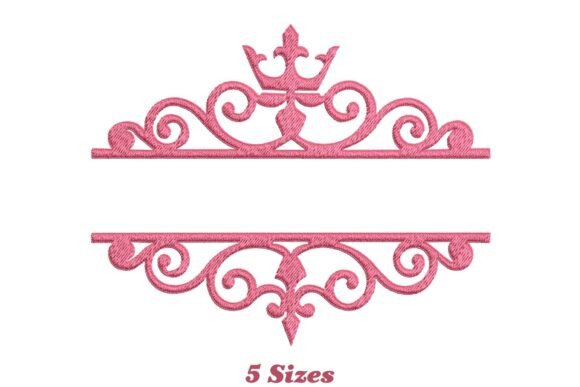
The first impression of this design is one of balanced elegance. The split name structure offers a classic symmetry that appeals to customers looking for personalized items, while the crown motif adds a touch of regal charm without becoming overly ornate. For an Etsy seller or a boutique owner, this visual personality is crucial. It signals quality and thoughtfulness, which are key drivers for buyer engagement in the handmade market. The layout feels open enough to accommodate various name lengths, yet structured enough to maintain its integrity as a cohesive graphic element.
Real-World Application and Versatility
To truly test the Crown Split Name Frame, I moved beyond digital mockups and considered its application on actual textiles. I envisioned using this design on a high-quality cotton tote bag. The central placement of the split names allows for clear readability, which is essential for a personalized gift. When stitched onto a natural canvas, the contrast between the thread and the fabric texture creates a sophisticated look that elevates a simple bag into a small shop product with higher perceived value.
I also considered its use in custom apparel, specifically on sweatshirts. The design’s cheerful and artistic touch, as described in its premise, translates well to casual wear. However, the success here depends heavily on scale. On a bulky fleece, the details of the crown need to be large enough to remain distinct. If the stitch density is too low, the crown might look sparse; if it is too high, the fabric could pucker. This is where practical judgment comes in. For a sweatshirt embroidery project, I would recommend testing the design at a larger hoop size to ensure the satin stitches forming the crown elements lay flat and smooth.
Another strong candidate for this design is home decor, such as pillow covers or kitchen towels. In these contexts, the Embroidery serves as a focal point. For a wedding gift, the monogram style fits perfectly, offering a timeless aesthetic that does not feel trendy in a fleeting way. This longevity is important for customers investing in heirloom-quality items. Whether used for holiday embroidery gifts or everyday luxury, the design adapts well because its core structure is clean and uncluttered.
Technical Considerations for Stitching
From a technical standpoint, working with a split name frame requires attention to detail. The "split" nature means there are two distinct text areas flanking a central motif. This layout can be tricky on curved surfaces like caps or hats. While it is possible to use this as an embroidered patch applied to a cap, stitching it directly onto a curved surface requires careful hooping and possibly a different stabilization strategy. I would advise caution when attempting this on small hoop sizes, as the width of the split names might exceed the available area, forcing a reduction in size that could compromise legibility.
Fabric choice plays a pivotal role in the outcome. On thin or stretchy fabrics, such as jersey knits used for baby clothes, the Crown Split Name Frame must be paired with the correct stabilizer. A cut-away stabilizer is often necessary to prevent distortion, especially if the design utilizes dense fill stitches in the crown area. For baby embroidery, softness is paramount, so ensuring that the back of the stitching is clean and free of harsh trimmings is essential for customer satisfaction and safety.
Thread color selection also impacts the final look. High contrast works well for visibility, but subtle tonal variations can create a more luxurious feel. I recommend testing the design in black and white mockups first to check for clarity. If the details disappear in grayscale, they may get lost in certain thread colors on dark fabrics. Always check how the satin stitch edges interact with the background. On dark fabric, a lighter thread will pop, but any gaps in stitching will be more visible, so inspecting the digital embroidery file for potential coverage issues is a smart pre-production step.
Commercial Viability and Brand Consistency
For craft business owners, consistency is key. The Crown Split Name Frame offers a versatile asset that can be integrated into various product lines without losing brand identity. Whether you are selling tote bag designs, aprons, or nursery decor, this monogram style maintains a professional appearance. It helps build trust with customers who expect a certain level of polish from handmade products. When used in commercial embroidery projects, the design’s clean lines make it easier to reproduce consistently across multiple units, reducing the risk of errors during production runs.
However, before listing this as a design asset or using it in sellable goods, it is vital to confirm licensing terms. Not all embroidery files come with commercial use rights. Check the provider’s guidelines to ensure you are compliant. Additionally, verify the specific file formats included. While many modern machines read common formats, having access to the source file can be beneficial for minor adjustments, such as resizing or changing stitch types from fill stitch to running stitch in less critical areas to reduce bulk.
Final Verdict and Practical Tips
The Crown Split Name Frame is a strong contender for designers looking to add a touch of classic charm to their portfolio. Its strength lies in its adaptability and clear visual hierarchy. To get the best results, always test the design on scrap fabric similar to your final material. Pay attention to the corners of the crown and the ends of the names, as these are areas where thread breaks or puckering are most likely to occur. Use proper hooping techniques to keep the fabric taut, and consider using a topping if stitching on textured materials like towels or fleece.
In summary, this design performs well across a range of applications, from personalized gifts to boutique merchandise. It requires thoughtful execution regarding stabilizer choice and thread contrast, but when handled correctly, it delivers a high-quality finish that enhances the perceived value of the item. For makers and creative entrepreneurs, it represents a reliable tool in the arsenal of customizable design options, provided that technical details are respected and licensing is verified.