Baby Bear Girl: A Designer’s Holiday Review
As an embroidery designer who spends countless hours refining stitches for seasonal collections, I approach every new machine embroidery design with a critical eye. It is not just about whether the image looks cute on a screen; it is about how it translates to fabric, how it withstands washing, and ultimately, how it sells during the high-stakes holiday rush. When I first loaded the Baby Bear Girl file into my digitizing software, I was immediately struck by its potential as a cornerstone piece for winter and spring product lines. This review breaks down why this design belongs in your shop, where it shines, and what technical considerations you must address before listing it as a small shop product.
The First Impression: Cozy Nostalgia Meets Modern Appeal
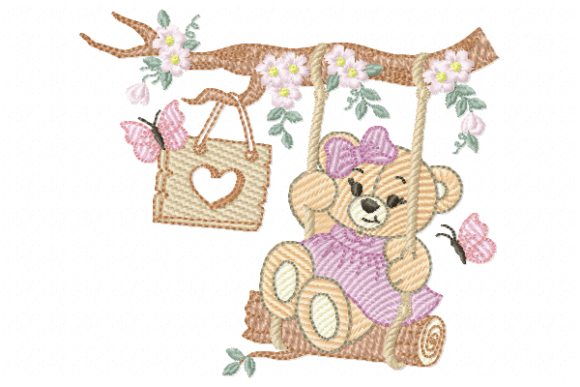
The initial visual impact of Baby Bear Girl is undeniably warm. In the context of Baby Animals and Embroidery, trends often swing between hyper-realistic and cartoonishly simple. This design strikes a perfect balance, offering a soft, storybook aesthetic that feels both nostalgic and fresh. The emotional tone is gentle and protective, making it an ideal candidate for items intended for infants, toddlers, or anyone seeking comfort during the colder months.
From a decorative standpoint, the design exudes a cozy, rustic charm. It does not rely on excessive complexity, which is a significant advantage for production efficiency. The line work appears clean, suggesting that it will stitch out smoothly without unnecessary jump stitches or thread breaks. For holiday sellers, this "soft" look aligns perfectly with current consumer desires for handmade items that feel personal and heartfelt rather than mass-produced. It fits seamlessly into themes of woodland nurseries, winter cabins, and family traditions.
Strategic Product Placement for Holiday Sales
To maximize revenue, you must place the right design on the right product. Baby Bear Girl is versatile, but it performs exceptionally well on specific items that drive holiday gifting behavior. Here is how I would deploy this design in a seasonal collection:
- Sweatshirt Embroidery: This is perhaps the strongest application. Placed on the left chest or as a larger back piece, the design transforms a basic hoodie into a premium handmade gift. The softness of the bear motif complements the fleece texture, creating a tactile experience buyers love.
- Tote Bag Design: Canvas totes are huge sellers for teachers, moms, and holiday shoppers. The sturdy fabric holds the stitches well, and the cute aesthetic makes these bags popular for carrying gifts or library books.
- Kitchen Towel Embroidery: During the holidays, home decor spikes in popularity. A set of flour sack towels featuring this bear can be bundled as a housewarming or hostess gift. Ensure you use a cut-away stabilizer to prevent puckering on these lightweight fabrics.
- Pillow Cover: Adding this design to neutral-toned linen or cotton pillowcases creates instant heirloom-quality decor. It appeals to customers looking to refresh their living spaces for the season without buying entirely new furniture.
- Embroidered Patch: If you offer iron-on or sew-on patches, this design is compact enough to work well. Patches allow customers to customize denim jackets or backpacks, extending the life of the design beyond traditional apparel.
For Etsy seller accounts, creating bundles is key. Consider offering a "New Baby Welcome Kit" that includes a onesie, a burp cloth, and a small blanket, all featuring variations of the Baby Bear Girl motif. This increases the average order value and positions your brand as a go-to source for thoughtful, personalized gift solutions.
Technical Considerations and Stitch Quality
While the aesthetic appeal is strong, successful execution depends on technical precision. As a designer, I always advise checking the stitch density before running a full production batch. If the density is too high for delicate fabrics like baby onesies, it can cause stiffness or fabric distortion. Conversely, if it is too low, the backing fabric might show through, ruining the professional look of the finished product.
You must also consider the hoop size compatibility. Since this design is likely intended for smaller to medium applications, ensure your machine’s hoop can accommodate the dimensions without requiring re-hooping, which introduces alignment errors. Always use the appropriate stabilizer. For stretchy garments like sweatshirts, a tear-away stabilizer might suffice for larger hoops, but a cut-away is often safer for long-term durability, especially if the item will be washed frequently.
Fabric texture plays a crucial role in how the thread colors appear. On dark fabrics, you may need to adjust your color palette to ensure the bear stands out. Pastels might get lost on navy or black, so consider using lighter creams, whites, or metallic accents to create contrast. Test stitching on both light and dark fabrics is non-negotiable before listing items for sale.
Navigating Challenges in Production
There are scenarios where Baby Bear Girl requires careful handling. Avoid using this design on items with significant curvature, such as fitted caps, unless you have extensive experience with hooping curved surfaces. The detail level may distort if the fabric stretches unevenly during stitching. Additionally, be cautious with tiny lettering if the design includes text. Small fonts can become illegible if the stitch count is not optimized for clarity.
If you plan to use metallic thread to add a festive sparkle, remember that metallic threads are more prone to breaking. Reduce your machine speed and ensure your tension is perfectly balanced. For items that require repeated washing, such as kitchen towels or baby clothes, verify that the thread type is colorfast and durable. A fading design leads to negative reviews and returns, which can harm your shop’s reputation.
Boosting Seasonal Appeal and Brand Trust
Incorporating Baby Bear Girl into your lineup does more than add inventory; it enhances your brand’s emotional connection with customers. Holiday shopping is driven by emotion. Buyers are looking for items that convey love, care, and warmth. A well-executed embroidery piece signals quality and effort, building customer trust. When shoppers see consistent, high-quality stitching across your products, they are more likely to return for future purchases.
To leverage this, create realistic mockups for your online listings. Use a printable mockup or high-quality photography that shows the texture of the stitches. Show the design in context—on a child wearing a sweater by a fireplace, or on a tote bag filled with holiday gifts. These visuals help customers imagine the product in their own lives, increasing conversion rates.
Furthermore, ensure you understand the licensing terms of the digital embroidery file. Before selling any commercial embroidery products, confirm that your purchase includes the right to sell finished goods. Respecting intellectual property rights is essential for maintaining a sustainable and ethical business practice.
Final Verdict for Crafters and Sellers
The Baby Bear Girl design is a robust addition to any seasonal catalog. Its versatility allows it to bridge the gap between baby showers, winter holidays, and everyday cozy wear. By paying attention to technical details like stabilizer choice, thread contrast, and fabric suitability, you can produce items that not only look beautiful but also stand the test of time. For crafters and small business owners, this design offers a reliable way to create memorable, high-value products that resonate with the spirit of giving. Embrace the cozy aesthetic, test your setups thoroughly, and let this charming bear bring warmth to your customers’ homes this season.